|
Embroidery is one of the oldest and most admired decorative arts, combining precision, creativity, and craftsmanship. From traditional hand-stitching to high-tech machine embroidery, the field has evolved significantly—but one element remains constant: design. In the modern embroidery industry, 2D design serves as the foundation upon which every embroidered creation is built. It transforms imagination into structure, providing the visual and technical roadmap for artisans and machines alike.
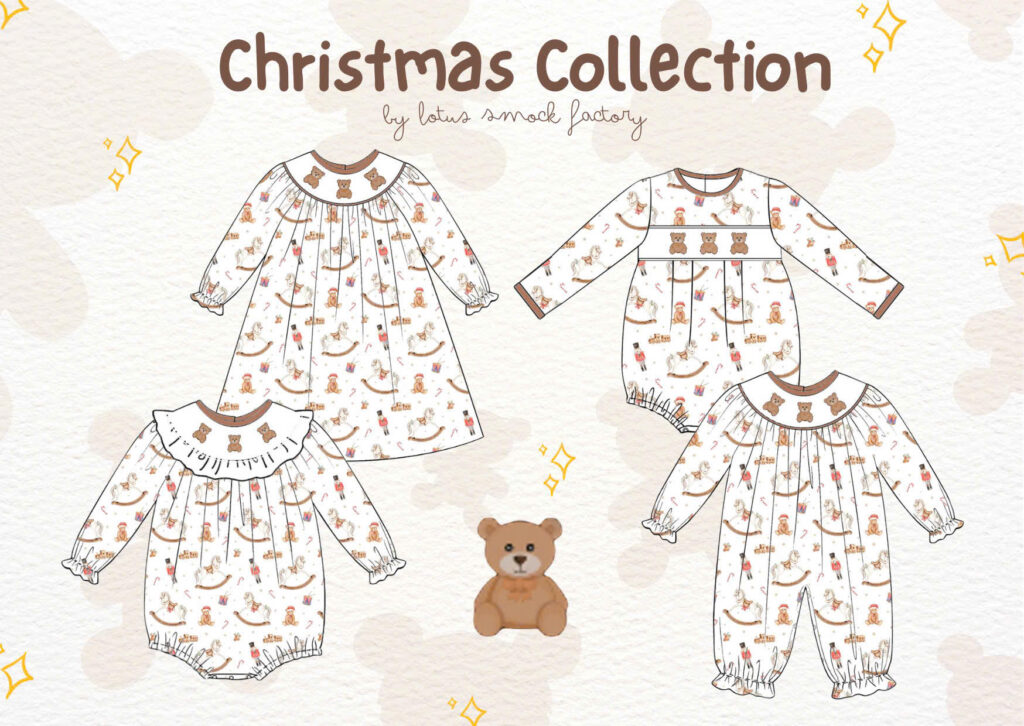
See Article Details At: 2D Design
In this article, we’ll explore what 2D design means in embroidery, how it functions, and why it continues to shape the future of textile artistry.
View At: The Art of Simplicity in 2D Design
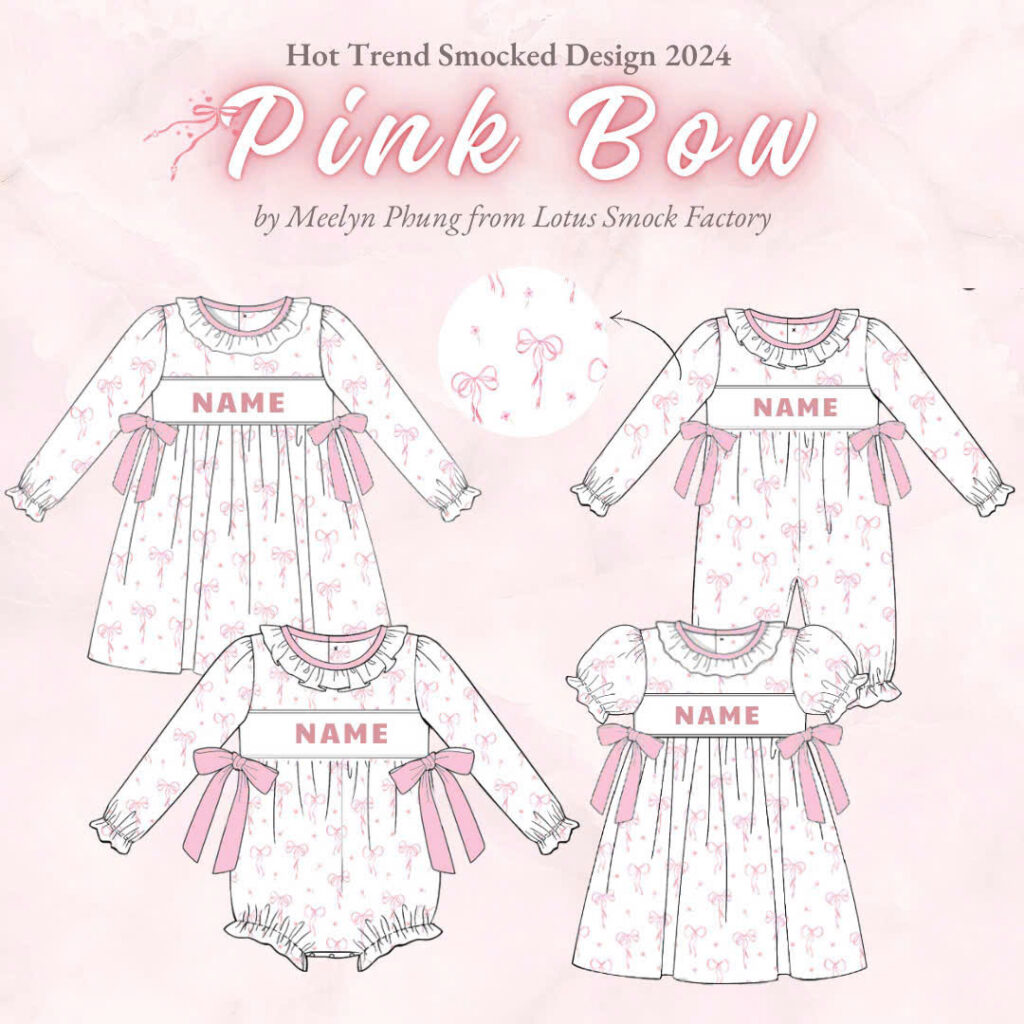
What Is 2D Design in Embroidery?
In its simplest form, 2D design refers to the creation of flat, two-dimensional artwork that represents how an embroidery pattern will appear on fabric. This design acts as a detailed visual guide for every stitch, shape, and color in the final product.
View At: Discover the Beauty of Minimal 2D Artworks
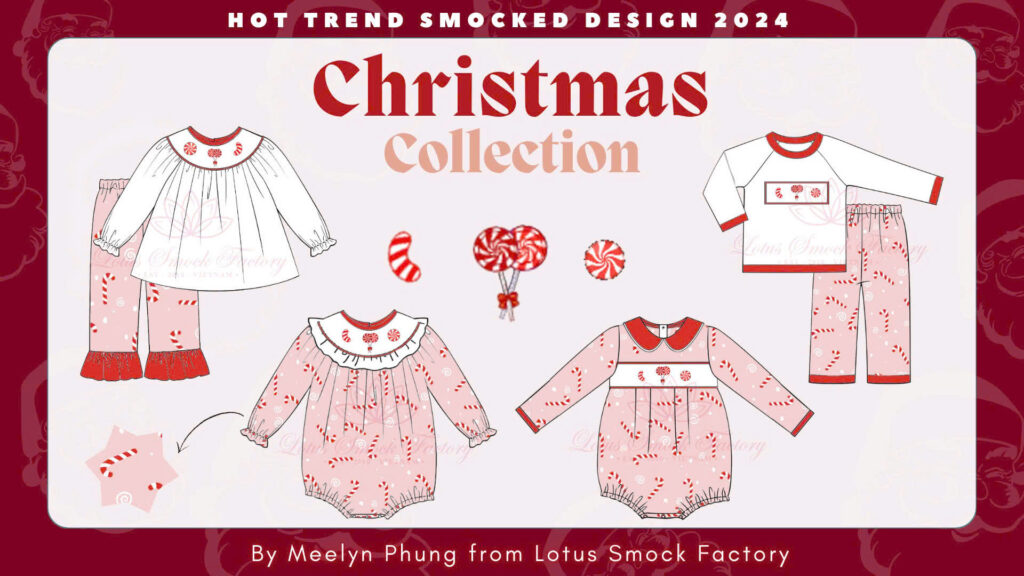
Before embroidery begins—whether by hand or machine—the 2D design must be finalized. It defines how lines will curve, how colors will blend, and how textures will emerge through thread. Without this plan, embroidery would lack symmetry, accuracy, and consistency.
See More At: 2D Design in Embroidery: The Creative Blueprint Behind Every Stitch
In today’s industry, 2D design is usually created using digital software such as Adobe Illustrator, Wilcom, or CorelDRAW. These programs allow designers to build intricate patterns, preview color combinations, and simulate stitching effects before production starts.
The Importance of 2D Design in the Embroidery Process
2D design plays a crucial role as both an artistic vision and a technical framework. It bridges creativity and engineering—turning sketches into precise, stitchable patterns.
For traditional embroidery, the 2D drawing is often transferred directly onto the fabric. Artists then use the lines and shapes as guides, applying embroidery stitches by hand.
In machine embroidery, the process is more technical. The 2D design is digitized into a format that an embroidery machine can read. This digital file dictates every movement: the type of stitch, its length, angle, and density. The result is a flawless translation of a 2D concept into a 3D, tactile masterpiece.
Without a strong 2D foundation, even the most skilled embroiderer would struggle to achieve balance and precision in the final piece.
From Concept to Creation: The 2D Design Workflow
The creation of a 2D embroidery design follows several key steps:
Concept Development
Every embroidery project begins with an idea—perhaps a logo, floral pattern, or decorative motif. The designer starts by sketching or drafting this concept, focusing on shape, proportion, and composition.
Digital Rendering
The sketch is then converted into a digital file. Using 2D design software, the artist refines details such as line thickness, spacing, and symmetry. This stage allows for experimentation with layout and scale.
Color and Stitch Planning
The designer assigns thread colors and defines stitch types. In digital embroidery, this includes specifying satin, fill, or running stitches. The 2D preview helps visualize how threads will interact with the base fabric.
Digitizing for Embroidery Machines
Once the 2D artwork is complete, it is “digitized” into machine-readable instructions. This step determines stitch order, direction, and density—ensuring that the embroidery machine can reproduce the design accurately.
Testing and Refinement
Before mass production, a sample is stitched to confirm the design’s quality. Adjustments are made to improve tension, alignment, and color accuracy.
This workflow ensures that every embroidery piece—no matter how complex—retains its artistic integrity and visual balance.
Tools and Technology for 2D Embroidery Design
The evolution of technology has revolutionized 2D design in embroidery. What once required meticulous hand-drawing can now be achieved digitally with incredible precision.
Popular tools include:
Adobe Illustrator: Used for vector-based artwork, ideal for creating scalable designs.
Wilcom Embroidery Studio: A leading software that integrates 2D artwork with stitch simulation.
CorelDRAW: Widely used for logo and graphic-based embroidery designs.
These tools allow designers to visualize patterns in real-time, simulate thread behavior, and ensure color harmony—all before a single stitch is made.
The Creative Impact of 2D Design
2D design gives embroidery its artistic soul. It allows designers to experiment with form, pattern, and color while maintaining precision. Each embroidered work begins as a flat image that captures movement and rhythm through line and geometry.
From fashion garments and home decor to corporate branding and cultural textiles, 2D design enables endless creativity. It allows artisans to express cultural heritage through motifs, while also catering to contemporary aesthetics in global markets.
Moreover, 2D design provides consistency—a crucial quality for brands and manufacturers. With a well-structured 2D template, embroiderers can produce identical results across multiple products, ensuring both artistic and commercial value.
Why 2D Design Matters in Modern Embroidery
The influence of 2D design extends beyond art—it represents efficiency, sustainability, and innovation. Digital 2D previews reduce material waste by eliminating trial-and-error during production. Designers can correct mistakes virtually instead of wasting fabric or thread.
Additionally, the use of 2D design promotes collaboration. Designers, manufacturers, and clients can easily share digital drafts and approve layouts before stitching begins. This speeds up the workflow while maintaining creative control.
As embroidery continues to integrate with fashion, interior design, and branding, 2D design remains the key to maintaining both artistry and precision.
Conclusion
In the field of embroidery, 2D design is where imagination meets precision. It serves as the visual foundation that guides every thread and every stitch. Whether hand-drawn or digitally produced, the 2D design transforms creative ideas into tangible embroidered art.
Lotus Smock is proud to be Vietnam’s leading wholesale smocked clothing factory. From delicate kidswear to stylish smocked dresses, Lotus Smock provides custom-made fashion crafted from high-quality fabrics, ensuring comfort, durability, and beauty in every piece.
#2D_Design, #2DDesign, #Lotus_Smock, #LotusSmock, #Lotus_Smock
|