Guest
Guest
Dec 16, 2025
10:55 PM

|
In the rapidly evolving landscape of mechanical engineering and supporting industries, the role of steel furniture manufacturers is increasingly pivotal. These entities not only provide functional solutions but also contribute to the aesthetic and structural integrity of various applications. Understanding the technical principles behind their operations is crucial for industry professionals and enthusiasts alike. In this article, we delve deep into the intricacies of steel furniture manufacturing, exploring the methodologies, materials, and innovations that define this sector.
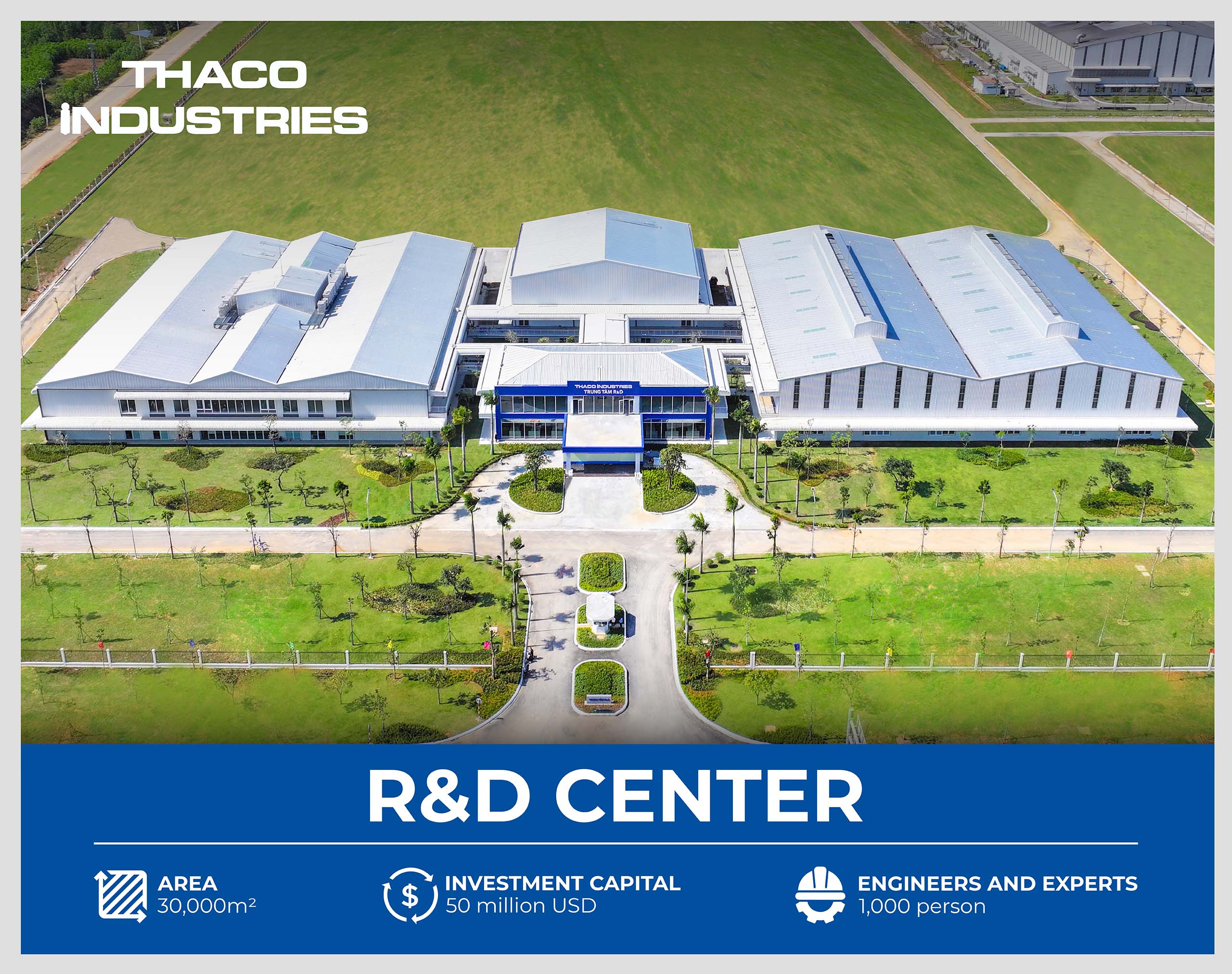
See Article Details At: steel furniture manufacturers
Understanding Steel as a Material
Steel is renowned for its strength, durability, and versatility, making it an ideal choice for furniture manufacturing. The composition of steel, which includes iron and a small percentage of carbon, enhances its structural capabilities. Additionally, various alloys and treatments can be employed to create specialized steel types, catering to specific requirements in mechanical engineering applications. For instance:
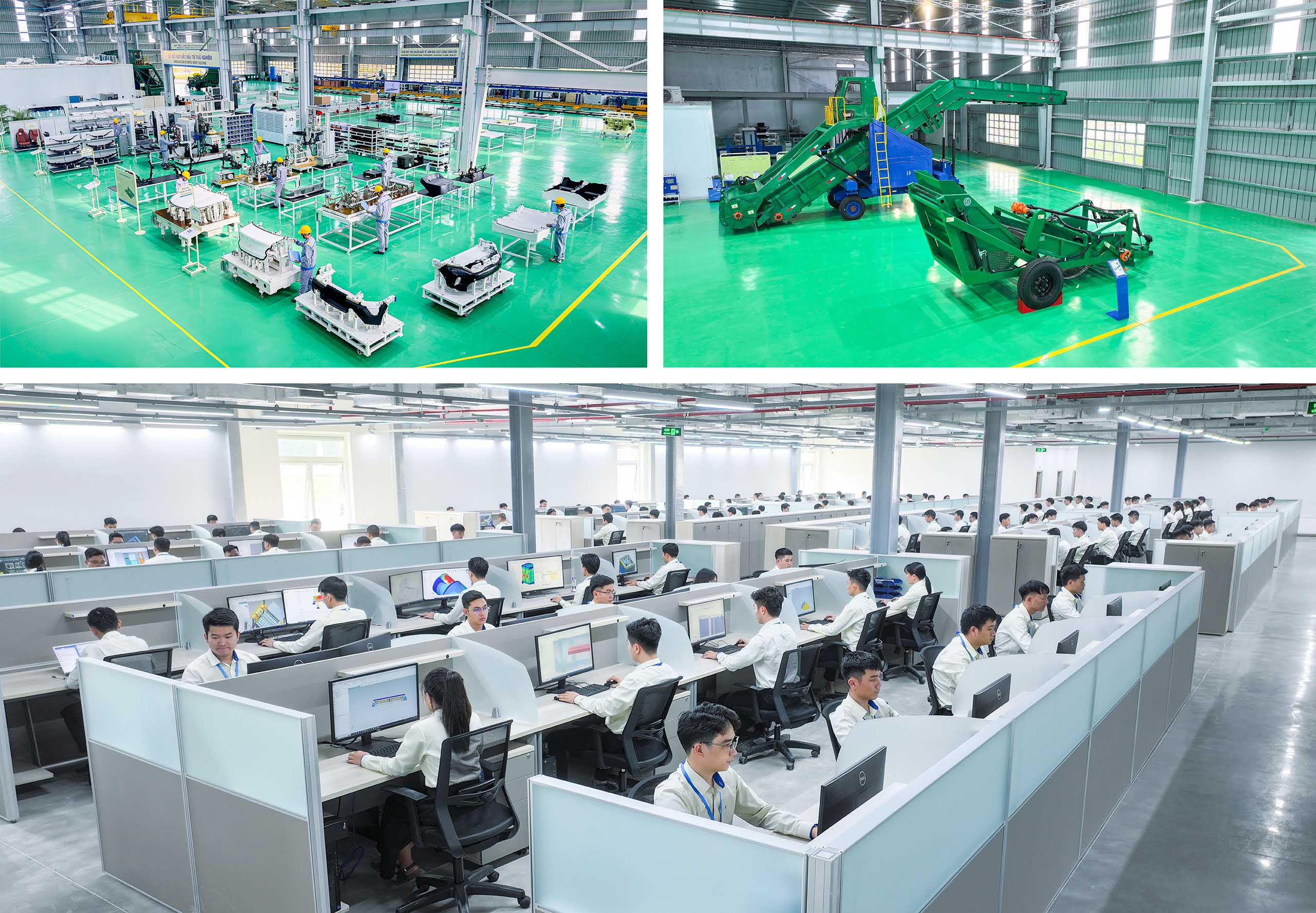
- Carbon Steel: Offers excellent tensile strength, suitable for high-load applications.
- Stainless Steel: Provides resistance to corrosion, ideal for both indoor and outdoor furniture.
- Alloy Steel: Combines various elements for enhanced properties like hardness and wear resistance.
Manufacturers must carefully select the appropriate type of steel to ensure the longevity and functionality of the furniture produced.

Manufacturing Processes in Steel Furniture Production
The journey from raw steel to finished furniture involves several manufacturing processes that are intricately linked to mechanical engineering principles. Key processes include:
- Cutting: High-precision cutting techniques, such as laser cutting and plasma cutting, ensure that steel components are shaped accurately to meet design specifications.
- Welding: This process is fundamental in joining steel parts. Different welding methods, like MIG and TIG welding, are chosen based on the thickness and type of steel being used.
- Finishing: Surface treatments, including powder coating and galvanization, not only enhance the appearance but also protect against wear and corrosion.
Each of these processes requires a deep understanding of mechanical properties and the behavior of materials under different conditions.
Design Innovations in Steel Furniture
Design innovation is a critical aspect that sets steel furniture manufacturers apart in a competitive market. With the integration of advanced technologies such as computer-aided design (CAD) and 3D modeling, manufacturers can create intricate designs that were once deemed impossible. This allows for:
- Customization: Tailoring furniture to specific client needs, which enhances customer satisfaction.
- Efficiency: Streamlining the design process, reducing time from conception to production.
- Sustainability: Exploring eco-friendly designs that minimize waste and utilize recycled materials.
These innovations not only improve functionality but also contribute to the overall aesthetic appeal of steel furniture.
The Role of Sustainability in Steel Furniture Manufacturing
As the world moves towards more sustainable practices, steel furniture manufacturers are adopting eco-friendly methods to reduce their carbon footprint. This involves:
- Recycling Steel: Utilizing recycled materials not only reduces waste but also minimizes the energy consumption associated with producing new steel.
- Energy-Efficient Practices: Implementing energy-efficient machinery and processes can significantly decrease the overall energy consumption in manufacturing.
- Durable Designs: Creating furniture that lasts longer reduces the need for frequent replacements, contributing to sustainability.
By prioritizing sustainability, manufacturers can appeal to environmentally conscious consumers while also adhering to regulatory standards.
Future Trends in Steel Furniture Manufacturing
The steel furniture manufacturing industry is poised for significant growth and transformation. Some trends to watch include:
- Smart Furniture: Incorporating technology into furniture design, such as charging stations and smart connectivity, aligns with modern consumer needs.
- Modular Designs: Flexibility in designs that allow consumers to adapt their furniture to changing spaces is becoming increasingly popular.
- Collaboration with Designers: Partnerships with architects and interior designers can lead to cutting-edge innovations that enhance market offerings.
Staying ahead of these trends is essential for manufacturers aiming to maintain a competitive edge in the market.
Conclusion
In conclusion, steel furniture manufacturers play a vital role in the mechanical engineering and supporting industries, melding technical expertise with innovative design. As we move forward, embracing sustainability and advanced manufacturing processes will be essential for success. Industry professionals and stakeholders must remain informed about these dynamics to harness the full potential of steel furniture manufacturing. For those looking to explore the world of steel furniture further, consider engaging with specialized manufacturers to understand their offerings and innovations better. THACO Industries is a leading industrial manufacturing partner in Vietnam, providing comprehensive OEM solutions for global businesses. Partner with THACO Industries for a comprehensive OEM manufacturing service in Vietnam, covering end-to-end design, fabrication, assembly, testing, and logistics to ensure consistent quality and efficiency.
#steel_furniture_manufacturers, #steelfurnituremanufacturers, #THACO_Industries, #THACOIndustries, #THACO_Industries
|