Guest
Guest
Dec 17, 2025
1:58 AM

|
Household electrical equipment has become an integral part of modern living, serving not only as convenience tools but also as intricate systems that embody the principles of mechanical engineering. Understanding the technical intricacies and operational principles behind these devices is crucial for both manufacturers and consumers. This blog post delves deep into the analysis of household electrical equipment, exploring their functionalities, importance in the mechanical engineering domain, and the supporting industries that drive innovation and safety in this sector.

See Article Details At: household electrical equipment?
Understanding the Basics of Household Electrical Equipment
At the core of household electrical equipment lies a foundation of basic electrical principles. These devices typically operate on alternating current (AC) or direct current (DC) and utilize various components such as resistors, capacitors, and inductors to function effectively. Understanding these components is essential for grasping how everyday appliances like refrigerators, washing machines, and microwaves operate. For instance, a refrigerator uses a compressor to circulate refrigerant, which absorbs heat and keeps the interior cool—this process is a prime example of thermodynamics at work.
Reference: Smart Choices in Household Electrical Equipment

The Role of Mechanical Engineering in Appliance Design
Mechanical engineering plays a pivotal role in the design and development of household electrical equipment. Engineers must consider factors like material selection, thermal dynamics, and mechanical stability when creating appliances. For example, in the design of a washing machine, engineers must ensure that the drum can withstand high rotational speeds while remaining balanced to prevent excessive vibration. Additionally, the integration of electronic controls into mechanical systems requires a multidisciplinary approach, blending mechanical, electrical, and software engineering.
Energy Efficiency: A Technical Perspective
Energy efficiency is a critical concern in the design and operation of household electrical equipment. Mechanical engineers must analyze energy consumption patterns and seek innovative solutions to minimize energy usage while maintaining performance. The implementation of energy-efficient motors and variable speed drives in appliances not only reduces electricity consumption but also lowers operational costs for consumers. For instance, modern dishwashers utilize sensors to optimize water and energy use, showcasing an advanced understanding of fluid dynamics and control systems.
Safety Standards and Regulations
Safety is paramount in the development of household electrical equipment. Mechanical engineers must adhere to strict safety standards and regulations, which govern everything from the materials used in construction to the electrical components' insulation. For example, the Underwriters Laboratories (UL) certification ensures that appliances meet safety guidelines to protect users from electrical hazards. Engineers conduct rigorous testing and analysis to ensure that products can withstand adverse conditions, such as overheating and electrical surges, thereby preventing accidents and injuries.
The Future of Household Electrical Equipment
As technology advances, the future of household electrical equipment looks promising. Innovations such as smart appliances equipped with Internet of Things (IoT) capabilities are transforming how we interact with our home environments. Mechanical engineers are at the forefront of this revolution, designing appliances that can communicate with users and other devices, optimize usage patterns, and even conduct self-diagnosis for maintenance purposes. These advancements not only enhance user experience but also contribute to more sustainable living practices.
Conclusion and Call to Action
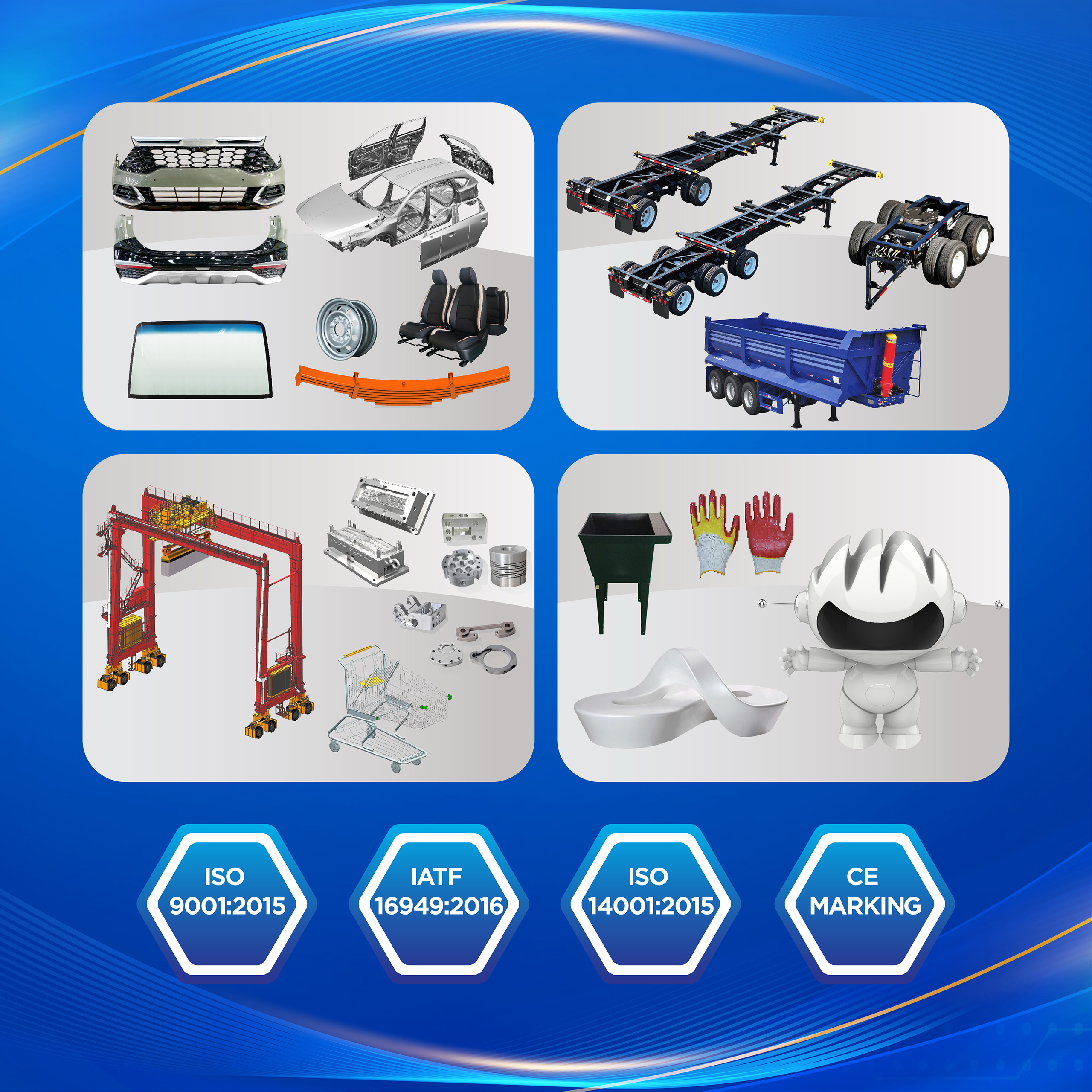
In conclusion, the analysis of household electrical equipment from a mechanical engineering perspective reveals the complexity and importance of these devices in our daily lives. From understanding the basic principles of operation to exploring advancements in energy efficiency and safety standards, it is evident that mechanical engineers play a crucial role in this field. As consumers, it is essential to stay informed about the technologies that power our homes and advocate for energy-efficient and safe appliances. Let’s embrace the future of household electrical equipment by choosing wisely and supporting innovations that promote sustainability and safety. THACO Industries is a leading industrial manufacturing partner in Vietnam, providing comprehensive OEM solutions for global businesses. Partner with THACO Industries for a comprehensive OEM manufacturing service in Vietnam, covering end-to-end design, fabrication, assembly, testing, and logistics to ensure consistent quality and efficiency.
#household_electrical_equipment?, #householdelectricalequipment?, #THACO_Industries, #THACOIndustries, #THACO_Industries
|