|
Message Board >
"FAQs on Manufacture and Assembly of Parts in Mech
"FAQs on Manufacture and Assembly of Parts in Mech
Page:
1
Guest
Guest
Dec 17, 2025
5:16 PM

|
In the realm of mechanical engineering and supporting industries, the manufacture and assembly of parts is a critical process that often raises numerous questions. Whether you're a novice in the industry or a seasoned professional, understanding the intricacies of part manufacturing and assembly can significantly enhance your operational efficiency. This blog post aims to address frequently asked questions (FAQs) and provide in-depth answers to demystify the challenges and best practices in this essential field.
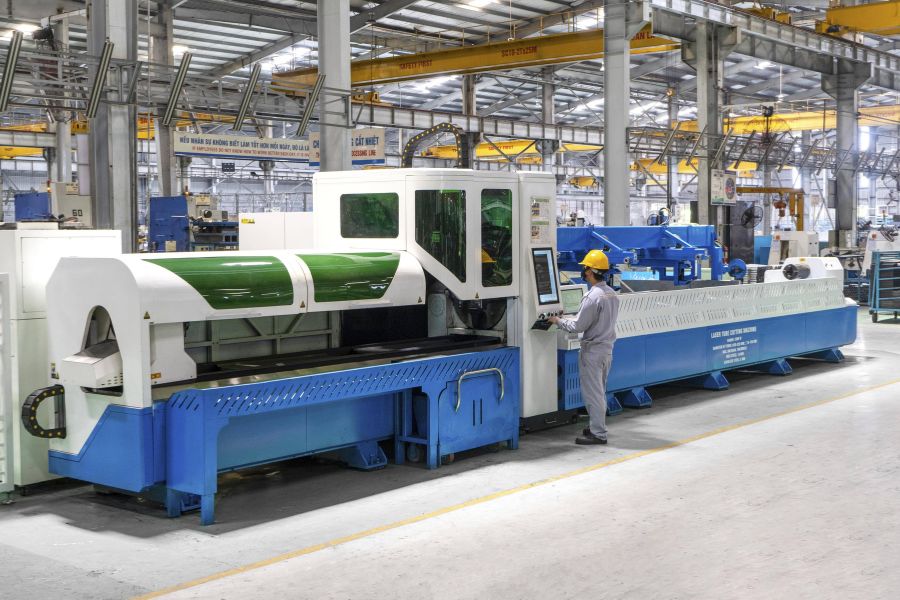
See Article Details At: manufacture and assembly of parts
What are the key processes involved in manufacturing parts?
The manufacturing of parts involves several key processes that ensure precision and quality. These include:
See More At: Integrated Manufacture and Assembly of Parts

- CNC Machining: Computer Numerical Control (CNC) machining is a widely used method that allows for high precision in creating complex shapes.
- Injection Molding: This process is particularly popular in the production of plastic parts, where molten material is injected into a mold.
- 3D Printing: An innovative technique that enables rapid prototyping and the production of intricate designs directly from digital models.
- Sheet Metal Fabrication: This involves cutting, bending, and assembling metal sheets to create various components.
Understanding these processes is essential for selecting the right method based on the material, design, and intended use of the parts.

What are the common challenges in part assembly?
Part assembly can present several challenges that can hinder production efficiency if not properly managed. Some common issues include:
- Alignment Problems: Misalignment during assembly can lead to significant operational issues and may require rework.
- Inconsistent Quality: Variability in part quality can arise from manufacturing defects or poor assembly techniques.
- Time Constraints: Tight production schedules can pressure teams, often resulting in rushed work that compromises quality.
- Tooling Issues: Improper or inadequate tooling can result in difficulties during the assembly process, affecting tolerances and fit.
Addressing these challenges requires strategic planning and continuous improvement in processes.
How can quality control be effectively integrated into part manufacturing and assembly?
Quality control (QC) is vital for ensuring that manufactured parts meet the required specifications. Effective QC can be integrated into the manufacturing and assembly processes through:
- Regular Inspections: Implementing routine inspections at various stages of production helps catch defects early.
- Use of Quality Management Systems (QMS): A robust QMS can streamline processes and ensure compliance with industry standards.
- Employee Training: Regular training for employees on quality standards and best practices enhances overall production quality.
- Statistical Process Control (SPC): Utilizing SPC allows for monitoring of production processes to identify and rectify variations.
These methods collectively contribute to minimizing defects and enhancing product reliability.
What role does technology play in modern manufacturing and assembly?
Technology has transformed the landscape of manufacturing and assembly, significantly improving efficiency and accuracy. Key technological advancements include:
- Automation: Automated systems reduce human error and increase production speed, allowing for more consistent output.
- Artificial Intelligence: AI algorithms can analyze production data and predict potential failures, optimizing maintenance schedules.
- Internet of Things (IoT): IoT devices can monitor machinery in real-time, providing valuable data for enhancing operational efficiency.
- Advanced Robotics: Robots equipped with machine learning capabilities can adapt to different tasks, improving flexibility in manufacturing lines.
Embracing these technologies is crucial for staying competitive in an ever-evolving industry.
What best practices should be followed for efficient part assembly?
To ensure efficient part assembly, several best practices should be considered:
- Standard Operating Procedures (SOPs): Documenting clear SOPs provides workers with guidelines to follow, minimizing errors.
- Lean Manufacturing Principles: Adopting lean practices can streamline processes and reduce waste.
- Cross-Training Employees: Training employees in multiple roles enhances flexibility and helps maintain productivity during absences.
- Continuous Improvement: Regularly reviewing and refining assembly processes fosters an environment of innovation and efficiency.
Implementing these practices can lead to improved productivity and reduced operational costs.
Conclusion
In summary, the manufacture and assembly of parts in the mechanical engineering and supporting industries is a complex but manageable process. By understanding key manufacturing techniques, addressing assembly challenges, integrating quality control, leveraging technology, and following best practices, companies can enhance their production capabilities. For further insights and tailored solutions, consider consulting with industry experts who can guide you through the intricacies of part manufacture and assembly. Take action today to optimize your processes and achieve excellence in your operations! THACO Industries is a leading industrial manufacturing partner in Vietnam, providing comprehensive OEM solutions for global businesses. Partner with THACO Industries for a comprehensive OEM manufacturing service in Vietnam, covering end-to-end design, fabrication, assembly, testing, and logistics to ensure consistent quality and efficiency.
#manufacture_and_assembly_of_parts, #manufactureandassemblyofparts, #THACO_Industries, #THACOIndustries, #THACO_Industries
|
Post a Message
Real Estate Provider #515.000066/Fahim Muhammad Instructor #512.003026/Fahim Muhammad Managing Broker #471.020985 Freedom Financial Institute, IDOI Provider #500026517/NMLS Provider #1405073/Fahim Muhammad NMLS #1851084 All loans originated through Mortgage Loan Direct, NMLS #1192858 15255 South 94th Avenue, Suite 500 Orland Park, IL 60462. Freedom Apex Enterprise & Financial Services Mailing Address: 837 East 162nd Street, Suite 7-8 South Holland, IL 60473 708-704-7309/708-566-1222, 844-49-FREEDOM
FINRA Broker Check
Disclaimer and Release Nothing contained on this website constitutes tax, legal, insurance or investment advice, or the recommendation of or an offer to sell, or the solicitation of an offer to buy or invest in any investment product, vehicle, service or instrument.The information shared is hypothetical and for informational and educational purposes only. Such an offer or solicitation may only be made and discussed by a registered representative of a broker dealer or investment advisor representative of an investment advising firm. You should note that the information and materials are provided "as is" without any express or implied warranties. Past performance is not a guarantee of future results. All investments involve a degree of risk, including a degree of loss. No part of FTAMG’s materials may be reproduced in any form, or referred to in any other publication, without express written permission from FTAMG and or its affiliates. Links to appearances and articles by Fahim Muhammad, The Freedom Coach, whether in the press, on television or otherwise, are provided for informational and educational purposes only and in no way should be considered a recommendation of any particular investment product, vehicle, service or instrument or the rendering of investment advice, which must always be evaluated by a prospective investor in consultation with his or her own financial adviser and in light of his or her own circumstances, including the investor's investment horizon, appetite for risk, and ability to withstand a potential loss of some or all of an investment's value. By using this website, you acknowledge that you have read and understand the foregoing disclaimers and release FTAMG and its affiliates, members, officers, employees and agents from any and all liability whatsoever relating to your use of this site, any such links, or any information contained herein or in any such appearances or articles (whether accessed through such links or downloaded directly from this website). FTAMG highly encourages its viewers and potential clients to obtain the independent advice and services of legal, financial, and tax professionals.
Securities offered through The Leaders Group, Inc. member FINRA/SIPC 475 Springfield Avenue, Suite 1 Summit, NJ 07901 (303) 797-9080
info@freedomfinancialinstitute.orgCopyright© 2025 - Fahim Muhammad Freedom Financial Institute, Inc.

|
|
|